



Living a Life of Contribution
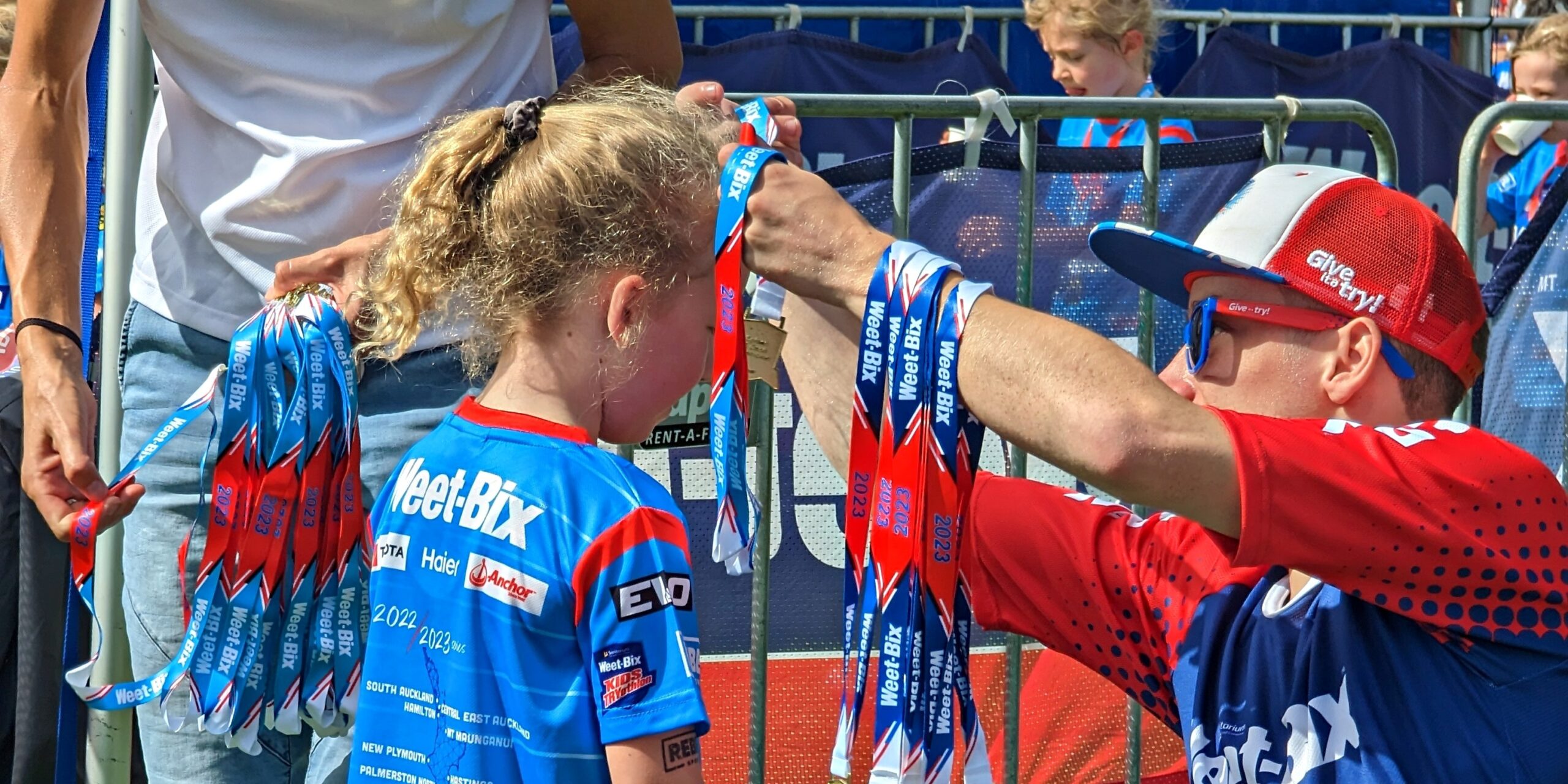
Giving back has always been part of who I am. It shapes how I live, how I compete, and how I connect with people. It has never been just about helping others, but about building a sense of community and leaving things better than I found them, something that aligns closely with Medifab’s commitment to helping people live with confidence, comfort, and independence.
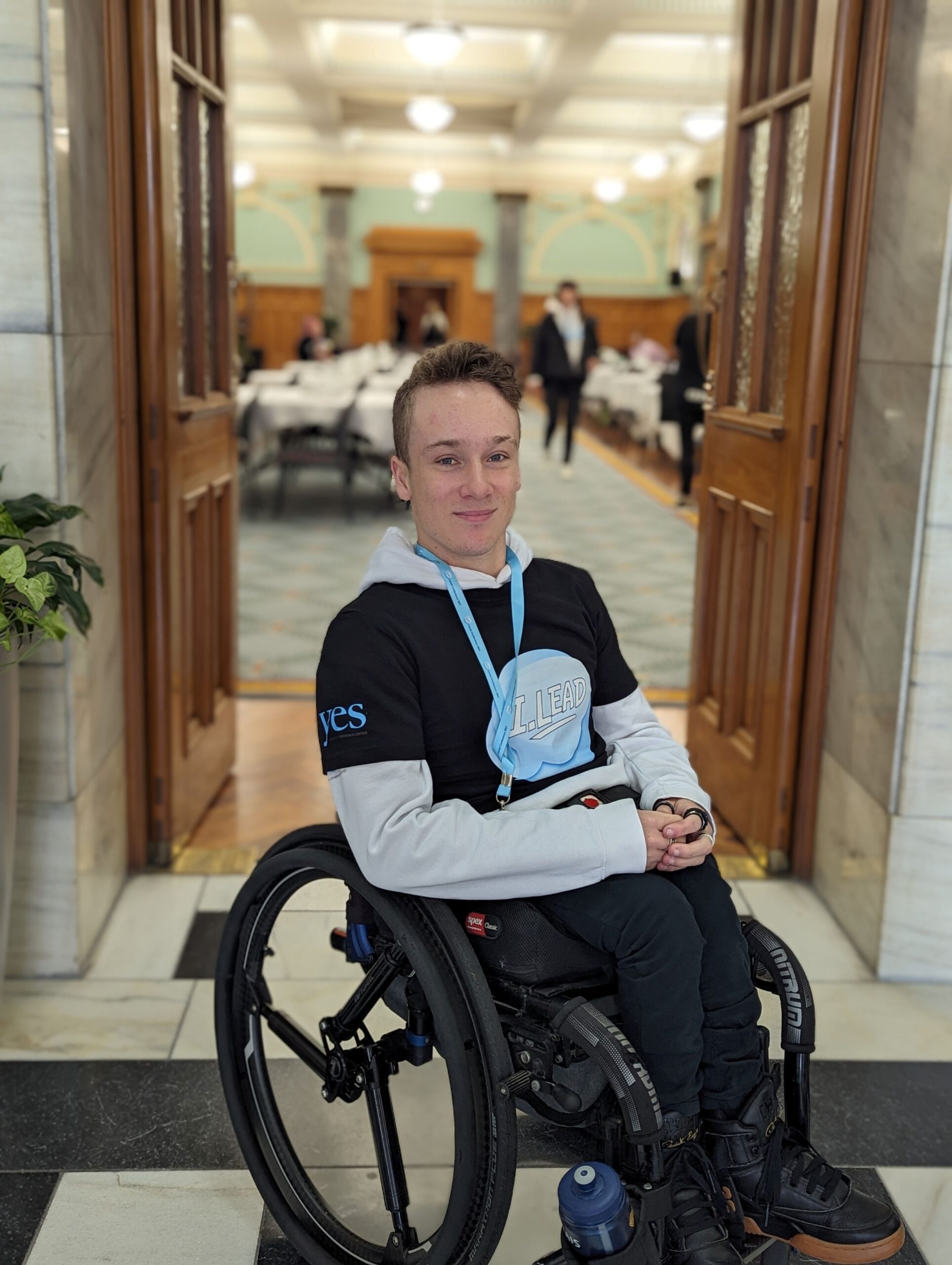
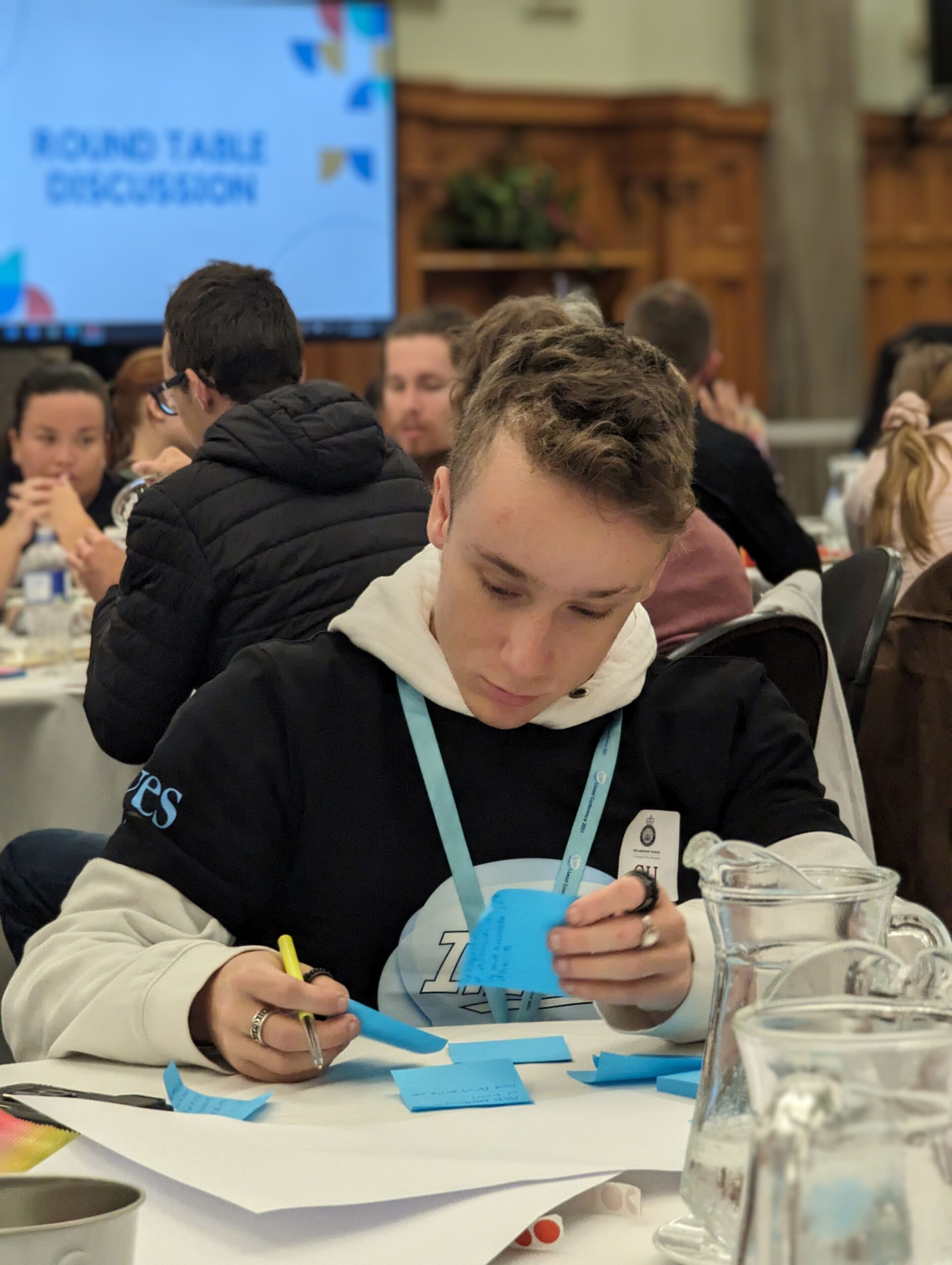
Over the past few years, I’ve found meaning in leadership and advocacy. I serve as Deputy Chair of the national I.Lead Committee and also on the Auckland I.Lead Committee, both focused on strengthening youth voice and representation. I’m also part of the Halberg Youth Council, the Health NZ Regional Consumer Council, and the Auckland Transport Capital Projects Accessibility Group. Each space is different, but they all share one goal: ensuring decisions that affect disabled people are made with them, not for them.
For me, contribution isn’t limited to one space. Whether I’m racing internationally, speaking to students, or working alongside others in these leadership roles, I always come back to one question: how can this make a difference for someone else? That question is what keeps me grounded. I try to use my experiences and my voice to open doors that might otherwise stay closed.
Championing Inclusion On and Off the Track
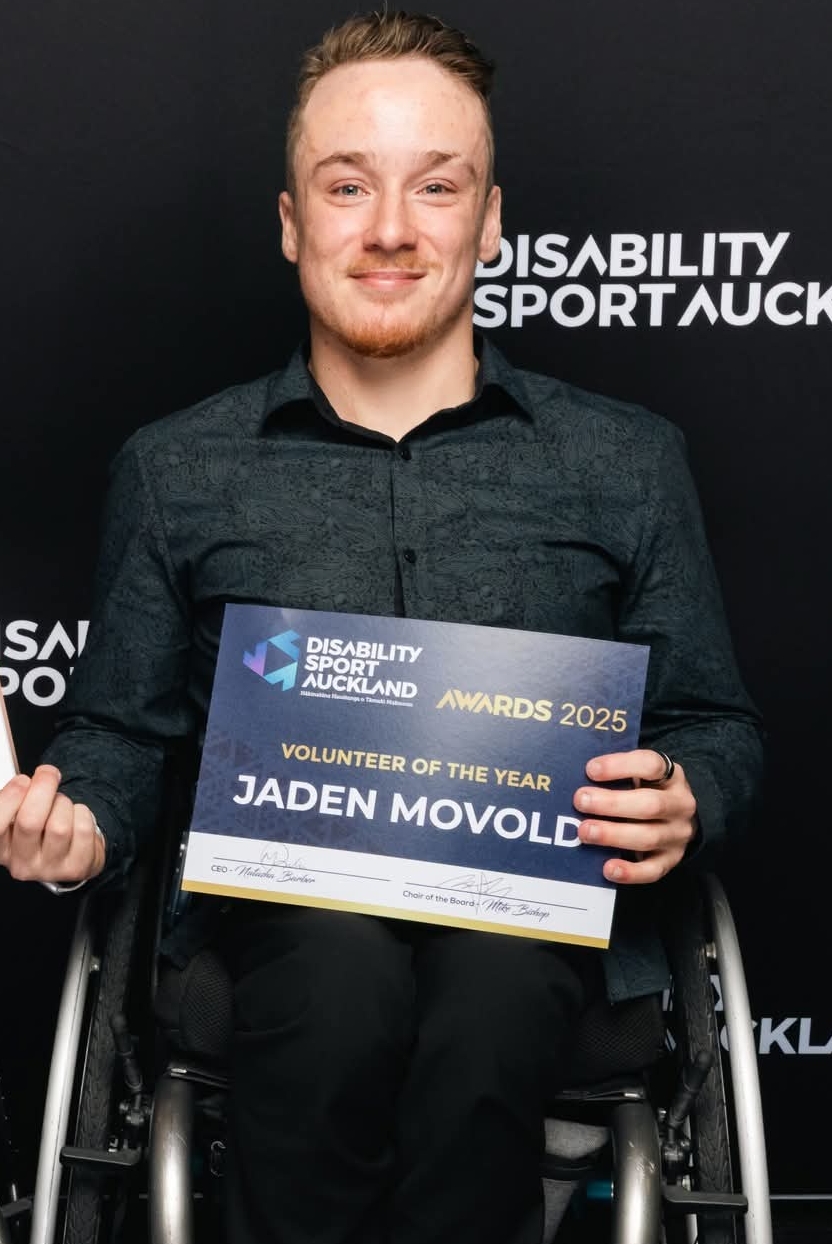
Earlier this month, I was honoured to receive Volunteer of the Year at the Disability Sport Auckland Awards for my work with the athletics programme. It was a humbling moment, not for the award itself, but for what it represented, the quiet effort of so many people who give their time without expecting anything in return. Most of the real work happens behind the scenes, in those early mornings, late nights, and unseen moments that make inclusion possible.
When my name was called, I thought about the athletes who show up each week ready to train, the volunteers who give their time, and the families who support them. Awards like that don’t belong to one person; they belong to everyone who shows up and makes inclusion possible. It reminded me that the real measure of giving back lies in consistency, care, and presence, the effort that lasts long after the applause fades.
Another highlight recently has been contributing to research that takes a closer look at inclusion in sport. I recently co-authored a paper titled Articulations of Ableism in Sport and Physical Activity, published in The Journal of Sport & Social Issues. The study explores how ableism operates across sport and recreation in Aotearoa New Zealand, often in subtle ways that shape who gets seen, supported, and valued.
Being part of that project meant bringing lived experience into academic work, bridging what happens in everyday sport with how systems and attitudes are built. It was an opportunity to help create a clearer language for understanding the barriers disabled people face, and for challenging them. For me, that is another form of giving back, helping to create change not only on the track but within the structures that define opportunity itself.
Creating Possibility Together
I’ve always believed that everyone has something to give, whether it is time, perspective, or experience. Living with a disability has shown me both the barriers and the breakthroughs that come with inclusion. I know what it feels like to be overlooked, but I also know what it means when someone chooses to make space. That is what drives me to give back, making sure others feel seen, capable, and part of something bigger than themselves.
Through these experiences, I’ve learned that leadership means listening, learning, and allowing others to lead too. Inclusion doesn’t happen by chance. It is built through intention, through the way we plan, communicate, and work together. Every time someone chooses to contribute, they help build a culture where people feel they belong.
Giving back has also taught me that growth works both ways. When you give your time and energy to something bigger than yourself, you gain perspective and purpose.
What I love most about giving back is how it spreads. When people see others contributing, it encourages them to do the same. Change rarely happens all at once; it begins with one act, idea, or person deciding to make a difference. I see this every day in the communities I’m part of, from Disability Sport Auckland to I.Lead and the Halberg Youth Council. It always starts small, and then it grows.
For me, giving back means using what I have to help others find freedom, confidence, and possibility, just as Medifab does every day through their work and innovation.
Whether it is volunteering, mentoring, joining a committee, or simply checking in on someone, giving back changes everything. It builds connection, strengthens resilience, and reminds us that when we lift others, we rise too. Because in the end, the greatest thing we can offer isn’t our time or our talent, but our commitment to others.